The Essential Guide to Maintaining Your Authentic Samurai Sword
Owning an authentic samurai sword is more than just possessing a weapon; it's about holding a piece of history. These exquisite blades, crafted with unparalleled artistry and technique, require careful attention and maintenance to preserve their beauty and functionality. For enthusiasts and collectors alike, understanding how to properly care for these swords is essential not just for their longevity but also for their value as artifacts of Japanese culture. This guide explores the critical aspects of maintaining your samurai sword, ensuring that it remains as stunning and effective as it was when first forged.
The samurai sword, or katana, is renowned not only for its sharpness and strength but also for its intricate design and craftsmanship. Each sword tells a story, a narrative of the time and culture from which it emerged. However, as with any precious item, neglecting regular care can lead to deterioration, rust, and a loss of value over time. This article provides an in-depth examination of the essential practices required to maintain your sword, from cleaning and oiling to proper storage techniques. Readers will discover actionable insights and expert recommendations to keep their swords in pristine condition.
Furthermore, this guide addresses the common mistakes that sword owners make, along with tips to avoid them. Whether you are a seasoned collector or a newcomer to the world of samurai swords, understanding these aspects of maintenance can enhance not only your sword's condition but also your appreciation for this remarkable piece of art. So, let’s delve into the key areas of sword care and ensure your investment remains a cherished heirloom for years to come.
Understanding the Anatomy of a Samurai Sword
Before diving into maintenance practices, it's vital to understand the anatomy of a samurai sword. A katana consists of several key components: the blade, tsuba (guard), tsuka (handle), and saya (scabbard). Each part plays a significant role in the sword's overall functionality and aesthetic appeal. The blade is typically made from high-carbon steel, known for its hardness and ability to maintain a sharp edge. However, this material is also vulnerable to rust if not cared for properly. The tsuba serves as a protective barrier and can often be intricately designed, while the tsuka provides a grip that is essential for maneuverability.
The saya, while primarily a protective sheath, is equally important as it prevents the blade from becoming scratched or damaged when not in use. Understanding these components allows owners to appreciate the intricacies involved in sword care. Each section requires different levels of attention, and knowing what to focus on can ensure the sword remains in excellent condition for generations. For example, while the blade needs regular cleaning and oiling, the tsuka may require different materials for maintenance.
Additionally, caring for a sword involves not only physical maintenance but also cultural respect. The samurai sword is considered a symbol of honor and dignity, representing the spirit of the samurai. Proper care goes beyond just cleaning; it is also about recognizing the sword's historical significance. Consequently, maintaining your sword should be approached with mindfulness and respect, ensuring that you honor the craftsmanship and legacy of its creators.
The Importance of Regular Cleaning
Regular cleaning is one of the most crucial aspects of sword maintenance. A katana should be cleaned after each use to prevent dirt, sweat, and moisture from causing corrosion. The recommended practice involves using a soft cloth to wipe down the blade, removing any debris or residue. It's essential to use a cloth that will not scratch the surface of the blade, as scratches can compromise both its appearance and integrity.
In addition to wiping down the blade, owners should also pay attention to the tang (the part of the blade that extends into the tsuka). The tang can accumulate moisture and dirt, leading to rust over time if not properly maintained. A thorough cleaning involves carefully removing the tsuka to access the tang and ensure a complete cleaning process. This step is often overlooked but is vital for the sword's longevity.
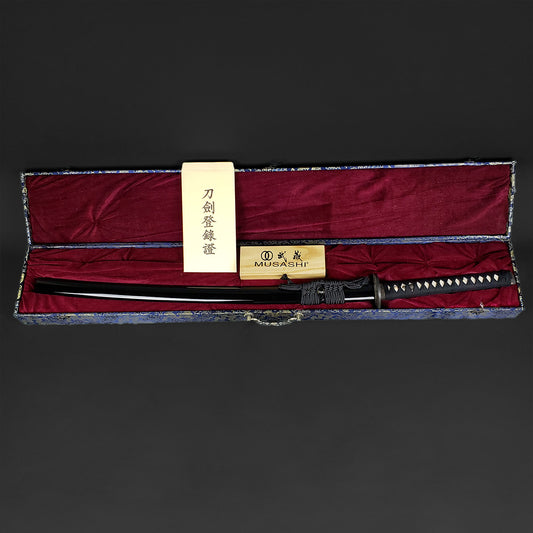
Furthermore, cleaning should be done with appropriate materials. Traditional Japanese sword oils, specifically designed for this purpose, can help protect the blade from moisture and rust. Applying a thin layer of oil after cleaning creates a barrier against environmental factors. This practice not only enhances the sword’s appearance but also significantly extends its lifespan. Always ensure that the oil used is suitable for high-carbon steel to avoid any chemical reactions that could damage the blade.
Steps for Proper Blade Cleaning
To effectively clean your blade, start by laying the sword on a soft, clean surface to prevent any unintentional scratches. Begin with a dry, soft cloth and gently wipe the blade from the tang to the tip, ensuring you move in the same direction as the blade's edge. This prevents any potential damage to the sharpness. After the initial wipe, inspect the blade for any signs of rust or pitting; if present, use a specialized rust eraser or a very fine polishing compound to remove it carefully.
Once the blade is free of debris and rust, apply a few drops of sword oil onto a clean cloth and wipe it over the blade, ensuring an even coat. Remember to oil the tang as well before reassembling the sword. This cleaning routine should be performed regularly, especially if the sword is used frequently. By adhering to these cleaning steps, owners can maintain the blade's sharpness and aesthetic appeal while protecting it from damage.
Proper Oiling Techniques for Longevity
Oiling is an essential part of maintaining your samurai sword, as it protects against moisture and rust. Proper oiling techniques can significantly enhance the sword's longevity. The oiling process should be done following the cleaning routine, ensuring that any moisture or debris is removed before applying oil. The most commonly used oils for sword maintenance are choji oil, a type of mineral oil, and other specialized oils designed for Japanese swords. These oils provide a protective layer that keeps moisture at bay.
When applying oil, it’s crucial to use a soft cloth or a specialized applicator to distribute the oil evenly across the blade. A thin, even coat is sufficient; applying too much oil can lead to a sticky residue that attracts dirt. After oiling, it's advisable to allow the sword to sit for a short period before storing it, ensuring that the oil has time to penetrate the metal and create a protective barrier. Regular oiling not only prevents rust but also enhances the beauty of the blade, giving it a lustrous shine.
In addition, owners should be aware of the environment in which the sword is stored. Humidity and temperature fluctuations can greatly affect the condition of the sword. Storing the sword in a controlled environment, ideally at a consistent temperature and humidity level, can help mitigate these risks. Using a dehumidifier or silica gel packs in the storage area can further protect the sword from moisture damage.
Recommended Oils for Samurai Swords
There are several types of oils that are recommended for maintaining samurai swords, each with its unique properties. Choji oil, often used in Japan, contains clove oil, which provides a pleasant scent and anti-rust properties. This oil is favored for its ability to create a thin, protective layer that does not attract dust or dirt. Another option is mineral oil, which is readily available and effective for preventing rust without any added fragrances.

For those looking for a more traditional approach, using a blend of natural oils can also be beneficial. These oils, while less common, can offer excellent protection against moisture while preserving the blade’s finish. Whichever oil you choose, ensure it is specifically designed for sword maintenance to avoid any potential damage. Regular application of the chosen oil will ensure that the sword remains protected and visually appealing. Musashi Authentic Swords
Storage Solutions for Your Sword
Proper storage is just as essential as cleaning and oiling your samurai sword. Storing the sword correctly not only protects it from physical damage but also ensures it remains in optimal condition. One of the best practices is to keep the sword in its saya when not in use, providing a protective barrier against dust and environmental factors. However, it’s vital to ensure that the saya is clean and dry before sheathing the blade, as moisture trapped within can lead to corrosion.
Additionally, consider the location where you store your sword. It’s best to keep it in a cool, dry area, away from direct sunlight and humidity. Avoid areas with temperature fluctuations, such as near heating vents or windows. If possible, invest in a display case that allows for air circulation while keeping the sword protected from dust. Display cases with glass doors can provide an elegant way to showcase your sword while ensuring it remains safe from accidental damage. best samurai sword prices
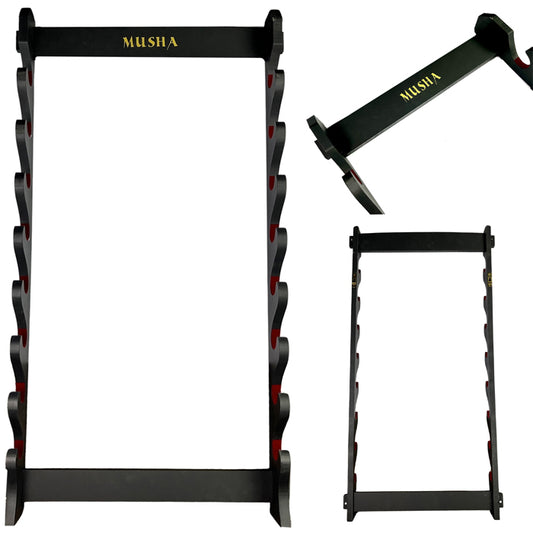
For those with multiple swords, organizing them in a way that prevents contact between blades is crucial. Using a padded sword rack or individual cloth bags can help avoid scratches and nicks. Regularly checking the storage conditions, such as humidity levels, can also alert you to any potential issues before they become serious problems.
Best Practices for Sword Storage
To ensure your sword remains in excellent condition, follow these best practices for storage. Always store the sword in its saya, and if you have multiple swords, consider using individual bags or cases to minimize contact. Create a dedicated area for sword storage, ensuring that it is clean and free from dust or debris. Regularly inspect the swords for signs of rust or damage to catch any issues early on.
Moreover, if you live in a particularly humid climate, consider using a dehumidifier in your storage area. This will help maintain a consistent environment, preventing rust and deterioration. By implementing these storage practices, you can significantly extend the life and beauty of your samurai sword.
Common Mistakes Made in Sword Care
Despite the best intentions, many sword owners make mistakes that can lead to irreversible damage. One of the most common errors is neglecting to clean the blade after use. This oversight can lead to rust and pitting, especially if the sword is exposed to moisture or sweat. Additionally, using inappropriate cleaning materials, such as rough cloths or harsh chemicals, can scratch the blade and diminish its luster.
Another frequent mistake is over-oiling. While oiling is crucial, applying excessive amounts can create a sticky residue that attracts dirt, leading to more cleaning. It's essential to strike a balance, applying just enough oil to protect without overdoing it. Furthermore, some owners mistakenly store their swords in damp or humid areas, increasing the risk of rust. Understanding these pitfalls can help sword owners take better care of their prized possessions.
Lastly, many collectors overlook the historical significance of their swords. Treating a katana merely as a weapon rather than a piece of art can lead to neglect and damage. It’s vital to approach sword care with respect, recognizing the craftsmanship and history behind each blade. By avoiding these common mistakes, sword owners can ensure their swords remain in pristine condition for years to come.
How to Avoid Common Care Mistakes
To avoid the pitfalls of sword care, implement a strict cleaning routine immediately after use. This will prevent moisture buildup and rust formation. Use only soft, non-abrasive cloths for cleaning and avoid any cleaning products that contain harsh chemicals, as they can harm the blade. When oiling, apply a thin layer and avoid the temptation to use more than necessary; a little goes a long way in protecting the blade.
Additionally, be mindful of the storage conditions. Protect your sword from humidity by utilizing silica gel packets or a dehumidifier in the storage area. Regularly inspect your swords for any signs of damage, and treat them with the reverence they deserve. By being diligent and informed, sword owners can evade common mistakes and maintain the beauty and functionality of their samurai swords.
Table of Recommended Maintenance Practices
| Maintenance Task | Frequency | Recommended Tool/Material |
|---|---|---|
| Blade Cleaning | After each use | Soft cloth |
| Oiling Blade | Every few months | Choji oil or mineral oil |
| Inspect for Rust | Monthly | Rust eraser or polishing compound |
| Storage Check | Every few weeks | Dehumidifier, silica gel |
The table above outlines essential maintenance tasks, their recommended frequency, and the tools or materials required for effective care. Following this schedule can help sword owners maintain their weapons in top condition and prevent deterioration from neglect. Musashi Swords Online
Pros and Cons
- Pros:
- Enhanced Longevity: Regular maintenance significantly increases the lifespan of your sword, preserving its beauty and functionality.
- Increased Value: Well-maintained swords retain higher market value, making them better investments.
- Improved Performance: A clean and oiled blade maintains its sharpness and effectiveness during use.
- Respect for Heritage: Proper care honors the craftsmanship and cultural significance of the samurai sword.
- Cons:
- Time-Consuming: Regular maintenance can be time-consuming, requiring dedication and diligence from the owner.
- Cost of Supplies: High-quality oils and cleaning supplies can add up, especially for multiple swords.
- Potential for Error: Inexperience can lead to mistakes that may damage the sword if proper techniques are not followed.
When weighing the pros and cons of sword maintenance, it's clear that the benefits of preserving these beautiful pieces of history far outweigh the drawbacks. While it can be time-consuming and requires a financial investment, the enhanced longevity and value that comes from proper care is invaluable. Additionally, the respect shown towards the sword through diligent maintenance underscores its cultural importance.
Frequently Asked Questions
- What should I use to clean my samurai sword?
The best practice is to use a soft, lint-free cloth to wipe the blade clean after each use. Avoid any abrasive materials that could scratch the blade.
- How often should I oil my sword?
It is recommended to oil your sword every few months or after cleaning to protect it from rust and maintain its shine.
- Can I store my sword in its saya?
Yes, storing your sword in its saya is advisable, but ensure the saya is clean and dry to prevent moisture buildup.
- What are the signs of rust on a samurai sword?
Rust can appear as reddish-brown spots or patches on the blade. Regular inspections can help catch rust early before it causes significant damage.
- Is it okay to use commercial cleaning products on my sword?
No, avoid commercial cleaning products as they can contain harsh chemicals that may damage the blade. Stick to specialized sword oils and cleaning supplies.
Conclusion
Maintaining an authentic samurai sword is a rewarding endeavor that requires commitment and respect. By implementing consistent cleaning, proper oiling, and appropriate storage techniques, sword owners can preserve these magnificent pieces of history for future generations. Understanding the anatomy of the sword and avoiding common mistakes can further enhance the care process. This essential guide provides the foundation for maintaining your samurai sword, ensuring it remains a cherished artifact that embodies the spirit of the samurai. Embrace the responsibility that comes with sword ownership, and enjoy the journey of preserving a beautiful piece of cultural heritage.


